
What 200 TPH actually means on a tin and tantalite circuit
Nameplate throughput is the easiest number on a plant to quote and the hardest to hold. Here is what our Bikita circuit has to get right, hour after hour, to keep 200 tonnes moving.
Nameplate throughput is the number everyone asks for first. It is also the number that means the least on its own. A plant that touches 200 tonnes per hour on a good Tuesday is not a 200 TPH plant. A plant that holds it through a wet season, a shift change and a feed-grade swing is.
Here is what has to hold together for the figure on our Bikita circuit to be real.
Feed has to arrive at the rate the circuit was designed for
The crushing section sets the ceiling for everything downstream. If the primary jaw is fed inconsistently — a loader operator working to a rhythm rather than a rate — the mills spend part of every hour underfed and the rest choked. Neither state produces recovery.
The fix is not a bigger crusher. It is a surge capacity ahead of the mill and an operator who is measured on consistency rather than tonnes moved. We size the stockpile so the circuit can ride out a twenty-minute gap in delivery without the mill ever seeing it.
Grade variability is a design input, not a surprise
Tin and tantalite do not present uniformly across a claim. A circuit sized against an average grade will underperform against the reality of an ore body, because the average is the one grade the plant rarely sees.
Our feasibility work maps the variability, not just the mean, and the gravity circuit is specified against the range. That costs more at build. It costs far less than retrofitting a plant that only works on paper.
Water and power are throughput constraints
A processing plant is a water system with minerals in it. Recirculation capacity, thickener performance and settling pond turnaround all sit on the critical path for throughput, and all of them degrade quietly. A plant does not usually stop for water — it just slows, and the slowdown gets attributed to something else.
The same is true of power. Which is why clean energy integration on our sites is an availability decision before it is an environmental one.
Availability is the number that actually matters
Throughput multiplied by availability is production. A 200 TPH circuit at 60 percent availability is beaten by a 150 TPH circuit at 90 percent, and the second one is cheaper to build.
So the questions worth asking a plant builder are not about nameplate at all:
- What is the planned maintenance window, and is it actually being taken?
- How long does a liner change take, and who does it?
- What is on the critical spares list, and where is it held?
- Who trained the operators, and are they still on site?
Why our engineers stay
We answer those questions from the operating floor rather than from a design package, because the team that designed the Bikita circuit is the team that still runs it. A commissioning handover that ends with the builder driving away is a handover that transfers every unresolved design compromise to the owner.
If you are specifying a plant and want the throughput conversation to go past the nameplate, talk to the engineering desk.
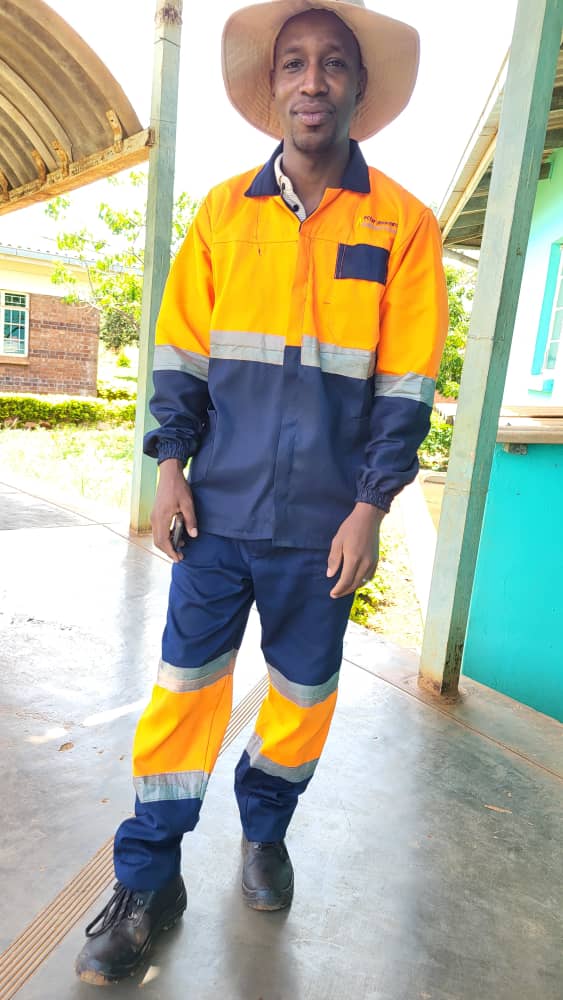
The engineers who design, build and operate NECTAR processing plants, including the Bikita 200 TPH tin and tantalite circuit.